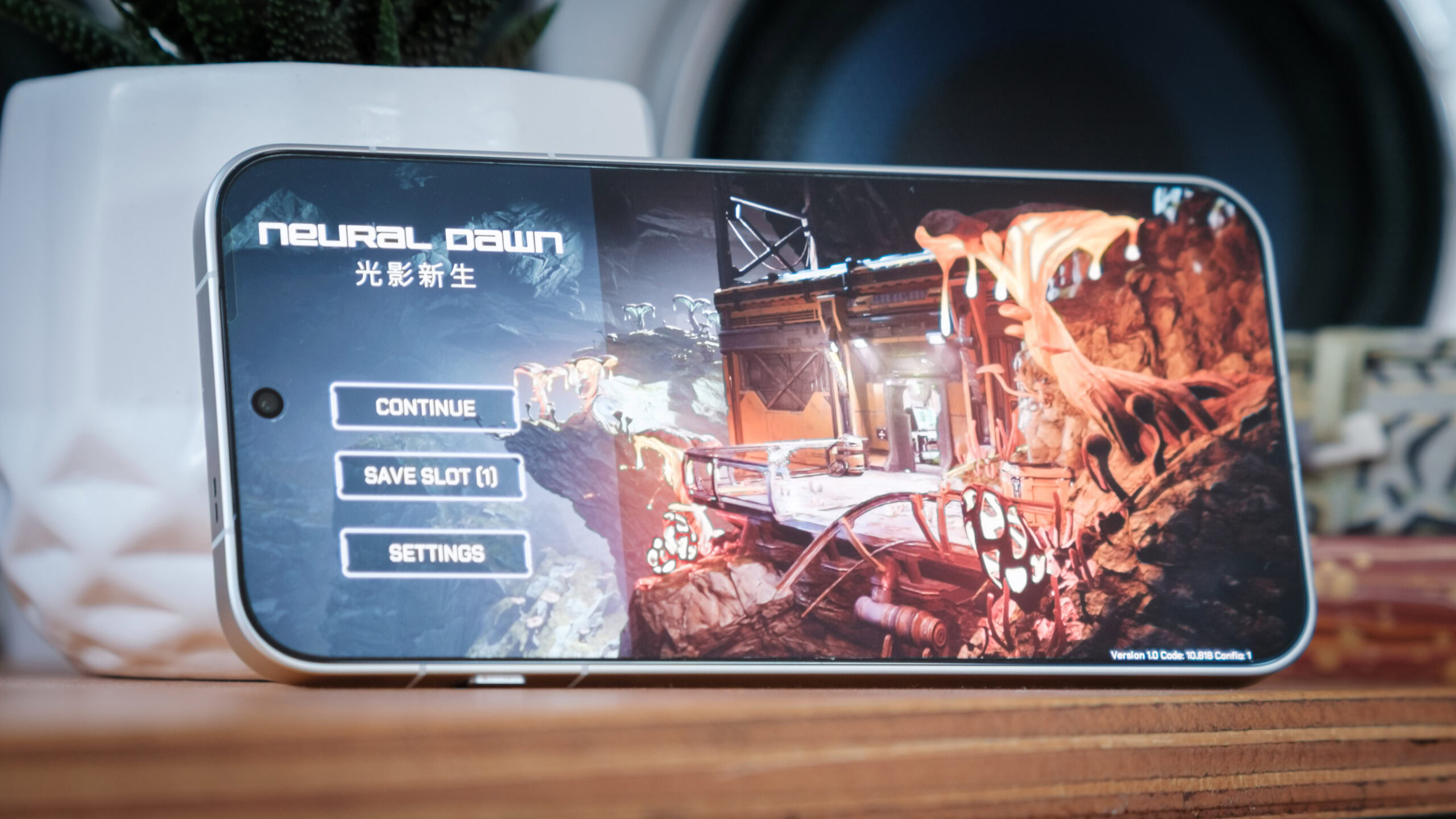
Mobile gaming just crossed a threshold that PC players will recognize. Android Authority has gone hands-on with Neural Dawn, described as Android's first game built around AI frame generation — the same class of technology behind Nvidia's DLSS on desktop GPUs.
The demo showcases Arm's neural rendering work, using machine learning to generate frames rather than rendering every one natively. On PC, this approach has let mid-range hardware punch well above its weight in demanding games; on mobile, where thermal and battery constraints are far tighter, the potential payoff is arguably bigger. Generating frames with a lightweight neural model can be cheaper than brute-force rendering, which means smoother gameplay without cooking the phone in your hand.
Android Authority's verdict framed the shift bluntly: like it or not, AI upscaling is the future of mobile gaming. That echoes the trajectory on desktop, where frame generation went from controversial curiosity to a standard checkbox feature in a few hardware generations.
The open question is adoption. DLSS succeeded because Nvidia pushed it into hundreds of titles; Arm will need buy-in from mobile studios and chipset partners to make neural rendering more than a tech demo. Neural Dawn is the proof of concept — the ecosystem fight comes next.
Discussion 0
Join the debate — sign in to comment.
Sign inNo comments yet — start the debate.