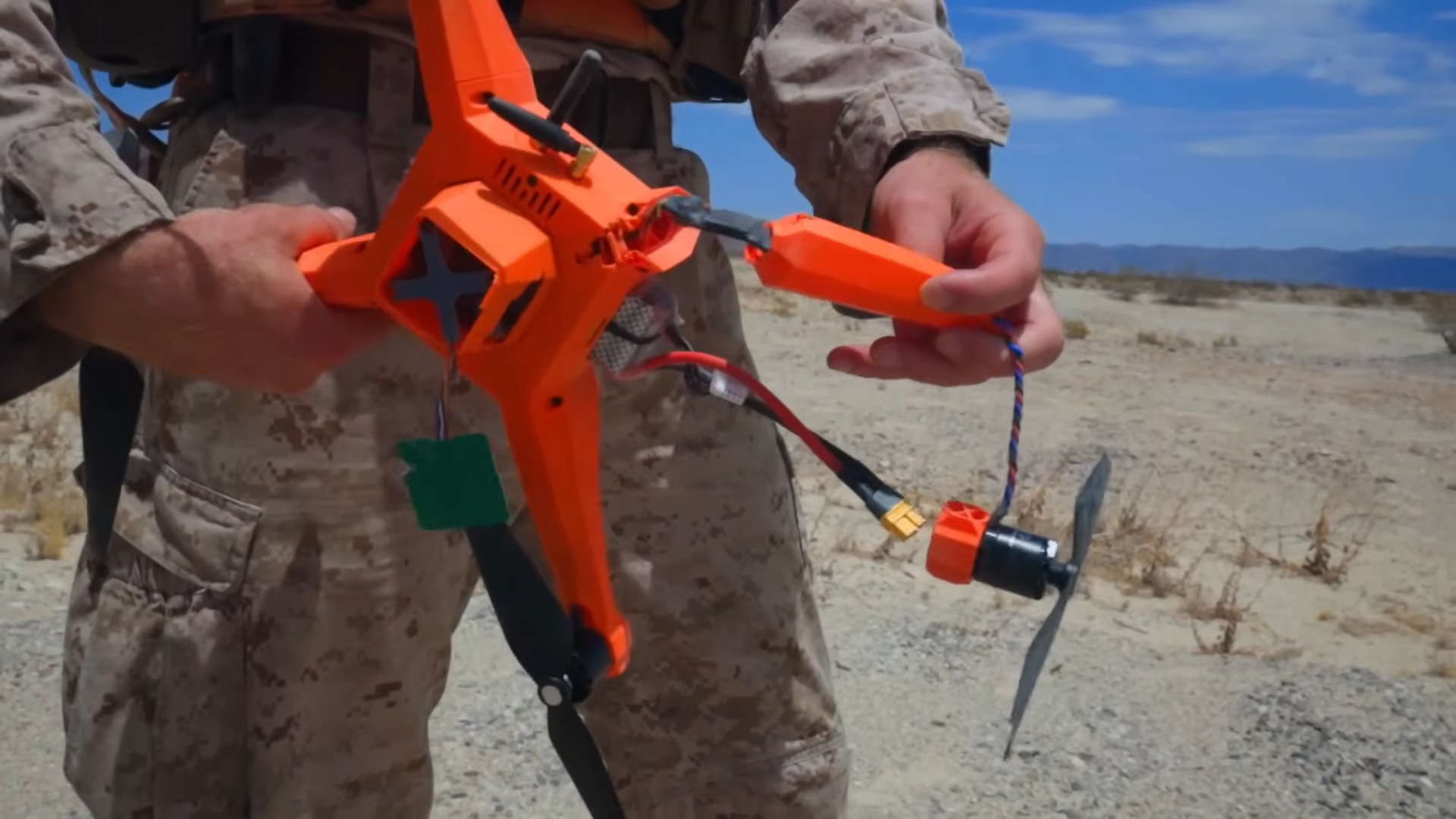
The United States is adding muscle — of the surveillance kind — to NATO's effort to protect Europe's undersea infrastructure. Around four dozen reconnaissance and intelligence Marines are heading to the Baltic Sea to join Finnish forces on Baltic Sentry, the alliance mission aimed at guarding undersea cables from Russian interference.
The deployment is pointedly not about firepower. The Marines are bringing drones and coastal sensors, per TechRadar, reflecting the nature of the threat: undersea cables are vulnerable less to open attack than to deniable sabotage — anchors dragged across seabeds, unexplained cuts, ships loitering near critical routes. Detection and attribution, not deterrence by force, are the hard problems.
Baltic Sentry stood up after a string of cable and pipeline incidents in the region raised alarms about the fragility of the infrastructure carrying Europe's data and power. The Baltic is a chokepoint for both, and NATO members bordering the sea have pushed for persistent monitoring rather than reactive investigations.
For the US, embedding a small, sensor-heavy detachment with Finland — one of NATO's newest members — doubles as a statement: cable protection is now a standing alliance mission, not an ad hoc response.
Discussion 0
Join the debate — sign in to comment.
Sign inNo comments yet — start the debate.