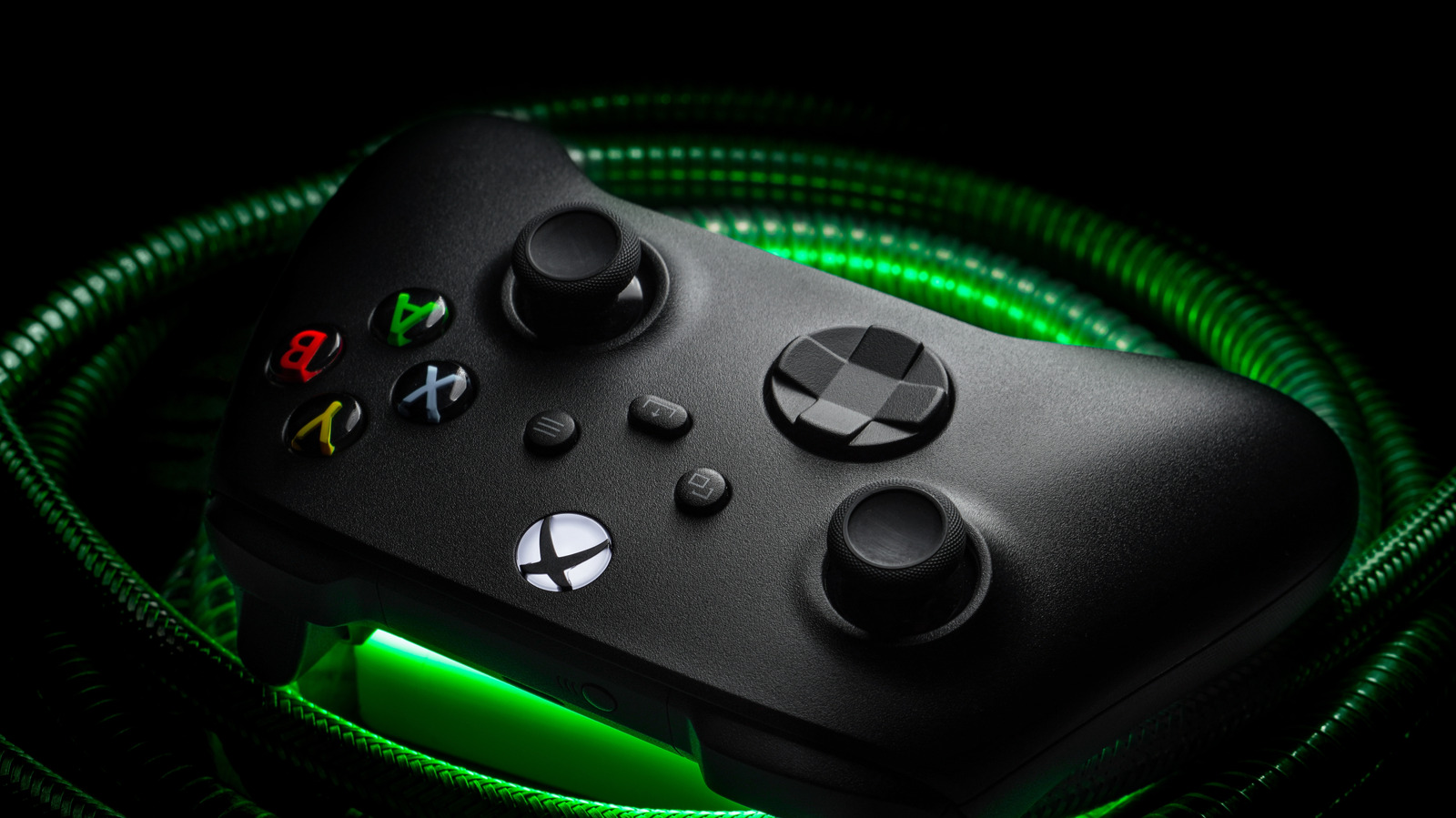
Pick up a new Xbox controller in 2026 and you'll still find a familiar sight: a compartment for two AA batteries. In an era when nearly every peripheral ships with a sealed rechargeable cell, Microsoft's holdout looks like an anachronism — but according to Engadget, it's an intentional choice with reasoning behind it.
The AA approach has practical upsides that sealed batteries can't match. Swappable cells mean a dead controller is back in action in seconds rather than tethered to a cable mid-session, and users can opt into rechargeable AA ecosystems they already own. It also sidesteps the lifespan problem of integrated lithium packs, which degrade over years and can effectively expire an otherwise working controller.
Microsoft has long split the difference by selling optional rechargeable battery packs, letting players choose between disposable convenience, rechargeable AAs, or a first-party plug-in kit — while keeping the base controller's cost down.
Sony went the opposite direction with the DualSense's built-in battery, and the debate between the two philosophies has simmered among players for two console generations. Microsoft's answer, for now, remains the same one it's given since 2001: flexibility over integration.
Discussion 0
Join the debate — sign in to comment.
Sign inNo comments yet — start the debate.